Pipsissewa
A delicate and intriguing flower with many names:
Bitter Winter, Bitter Wintergreen, Chimaphila, Chimaphila corymbosa, Chimaphila umbellata, Chimaphile à Ombelles,
Ground Holly, Herbe d’Hiver, Herbe à Peigne, Holly, King's Cure, King's
Cureall, Love in Winter, Prince's Pine, Pyrole en Ombelle, Rheumatism
Weed, Spotted Wintergreen, Umbellate Wintergreen.
This perennial evergreen wildflower is not easy noticed in forest - it is only about 6 inches tall. The flower is white and appears in late spring on a tall stalk arising from the top of the plant. At the beginning there are the white buds for a month or more, and then in June the flowers open.
Each flower hangs with face down, making it very difficult to look on unless you get down on the ground yourself or turn the flower side up.
Each flower hangs with face down, making it very difficult to look on unless you get down on the ground yourself or turn the flower side up.
The name pipsissewa comes from the Cree Indians. The name means “broken
into small pieces” and is believed that the herb could
dissolve kidney stones.

Pipsissewa is an herb. The parts that grow above the ground are used to make medicine.
And this plant has a wide medical use and according to WebMed:
Pipsissewa is used to treat urinary tract infections, bladder stones, fluid retention, spasms, epilepsy, anxiety and cancer. It could be use to treat skin problems (sores and blisters).


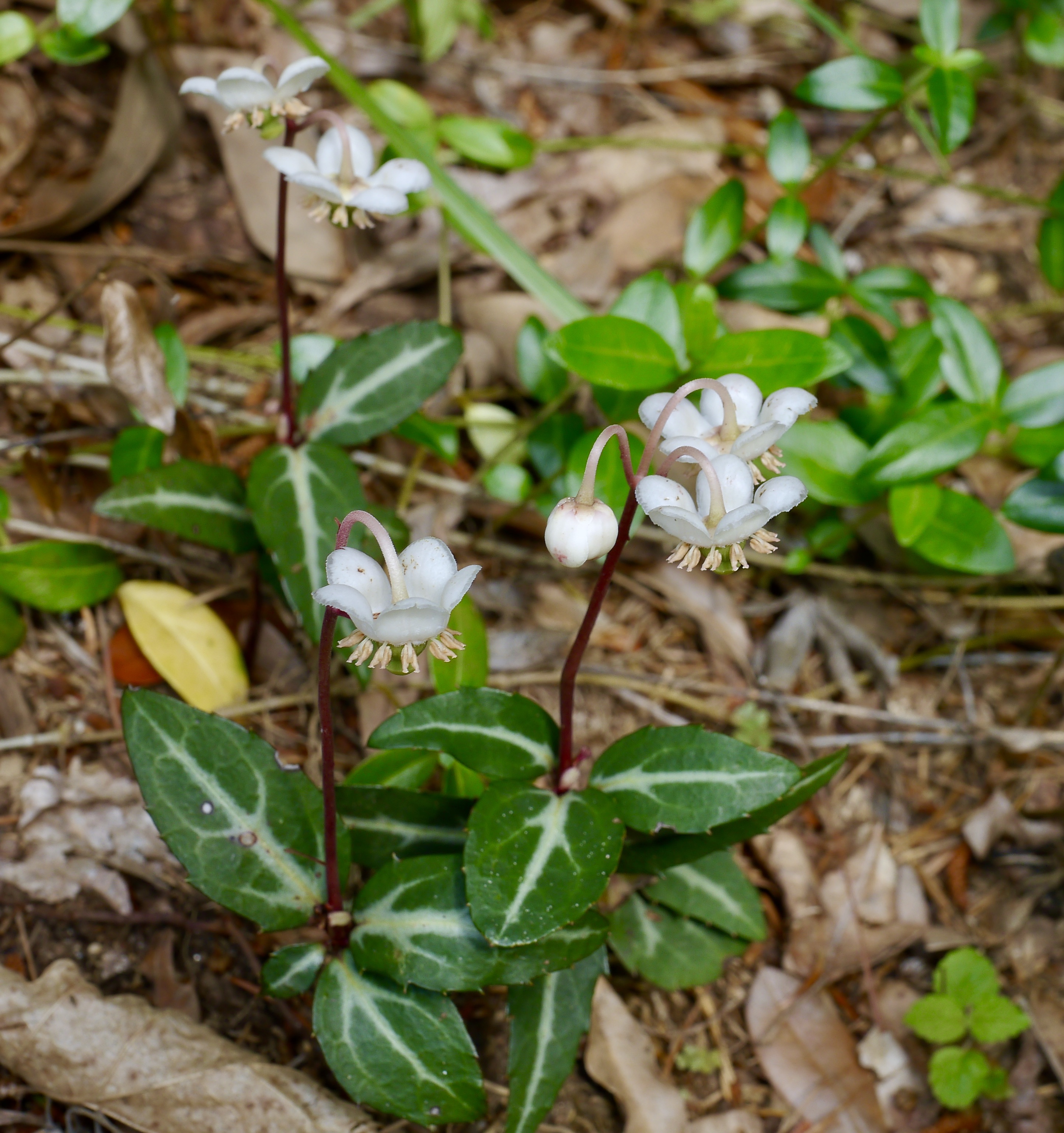


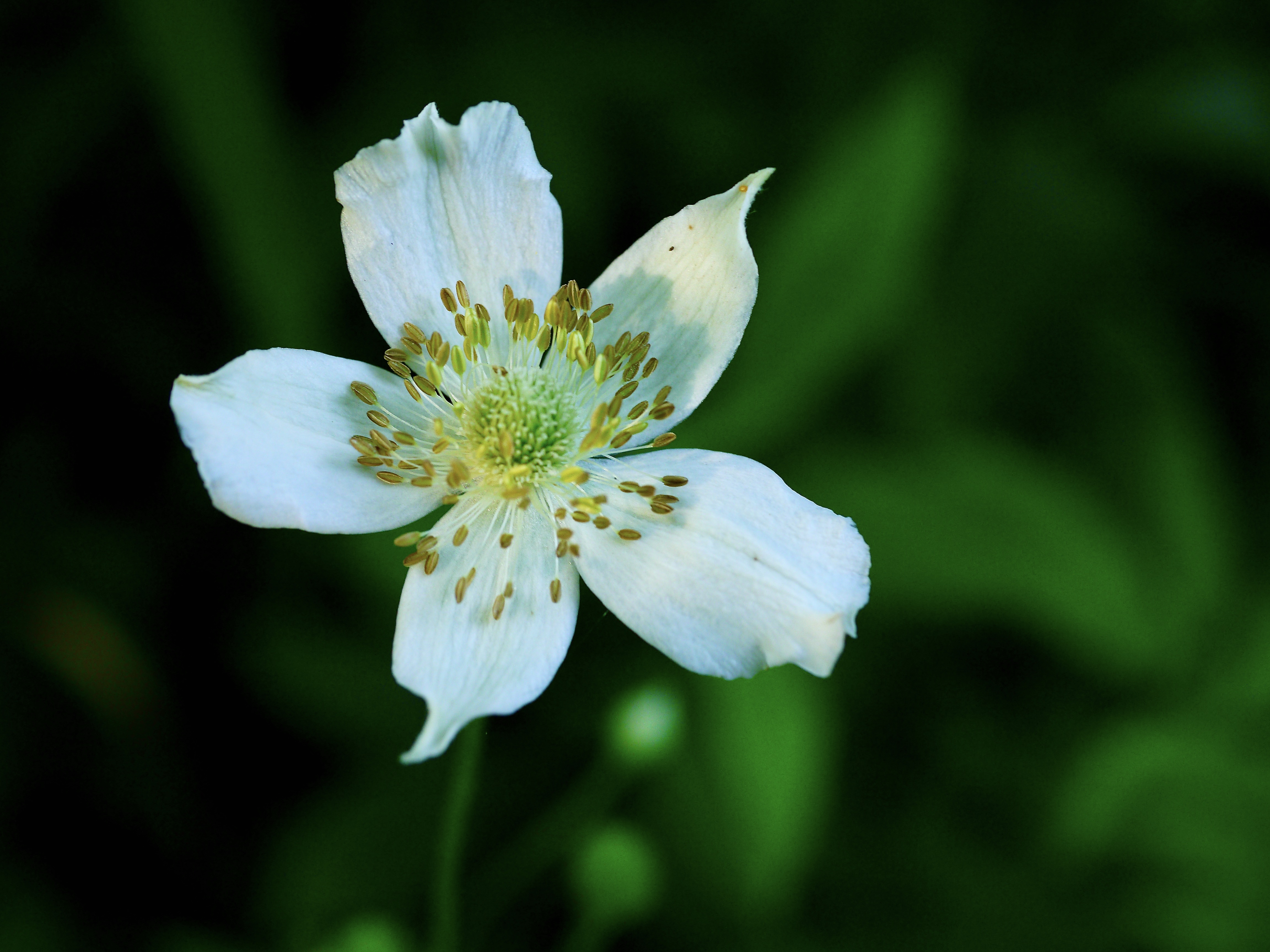
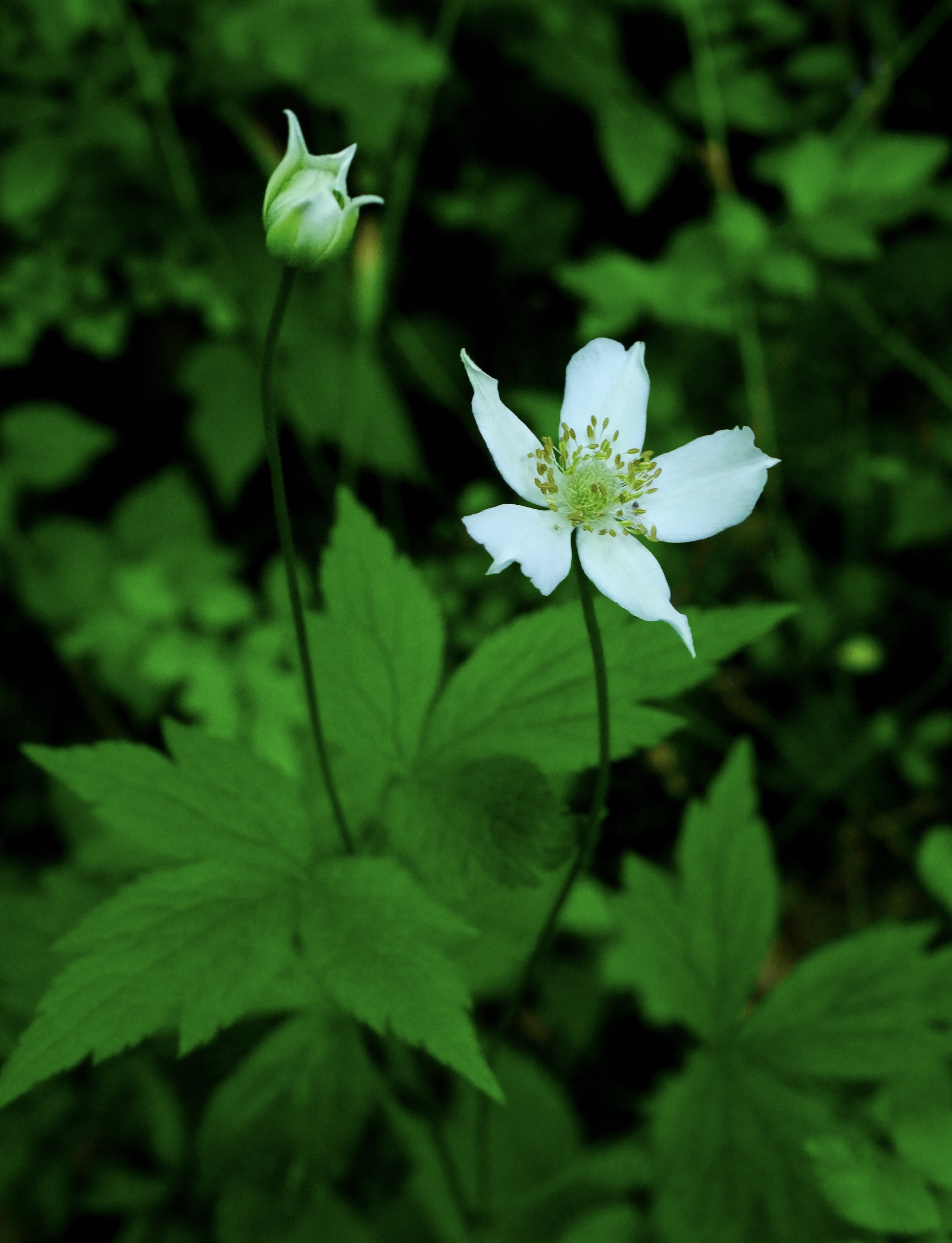
Photos are taken in DuPont and in our garden.